Earnings Per Share Formula Examples, How to Calculate EPS

By following these steps, both companies and shareholders can navigate the complexities of calculating stock dividends, ensuring a transparent and equitable distribution of profits. To calculate this weighted average, first input the two values for the number of shares outstanding into adjacent cells. In our example, during January, there were 150,000 shares, so this value is entered into cell B2. In September, half of these shares were repurchased by the company, reducing the number of outstanding shares to 75,000. P/B petty cash is often used to value companies in the financial sector (i.e. banks) and is calculated by taking a company’s share price and dividing it by the book value per share.
Valuation and Stock Price

A publicly-traded company can directly influence how many shares it has outstanding. Each of these – Foregone Interest, Additional Interest on Debt, and Stock Issuances – reduces the acquirer’s EPS, but they do so to different degrees, depending on the company’s stock price and interest rates. Many articles and online sources describe EPS in relation to accounting and valuation, but in real life, it’s the most useful for assessing mergers and acquisitions. 1) Accounting Gimmicks – For example, companies could “sandbag” their Net Income in one period by increasing their provisions or allowances or shifting around expenses. Then, the company will look better in the future because it’s starting from a lower baseline EPS.
- The weighted average number of shares is determined by taking the number of outstanding shares and multiplying it by the percentage of the reporting period for which that number applies for each period.
- From the perspective of corporate governance, there is a growing trend towards sustainability and long-term value creation.
- “Shares outstanding” also is a line in the data that is displayed with any stock quote.
- For instance, if a company repurchases 100,000 shares from its 1 million outstanding shares, EPS may rise as earnings are distributed over fewer shares.
- In the case of a company that pays a preferred dividend, the EPS for common shareholders is Net Income less Preferred Dividends (since those get paid out first) divided by shares outstanding.
#2 – The Company Issues New Shares Once During the Period
Investors always consider the diluted earnings per share, not the basic earnings per share though weighted average shares outstanding formula most of the time, basic EPS gives a true reflection. A stock split, for example, increases the number of shares but does not change the company’s market capitalization. Weighted average shares represent the average number of shares outstanding during a specific period, typically a fiscal quarter or year. This calculation adjusts for changes in the share count, such as new issuances or share buybacks, and weights these changes based on the time they were in effect. The weighted average of outstanding shares is used to calculate key financial measurements like earnings per share (EPS).

Earnings Per Share Calculation Examples
However, this blog will stick to business and equity compensation uses of weighted average. There are specific components in companies that have the option to convert into shareholders’ equity. The Bakery Accounting most common diluted shares outstanding are convertible Bonds, convertible preferred stocks, and employee stock options of a company. For instance, take IBM, analysts evaluating its price-to-earnings (P/E) ratio might calculate this metric using both basic and diluted EPS figures.

In effect, it weights any change in the number of shares outstanding according to the length of time that change was in effect. Shares outstanding represent the total shares a company has issued, which helps investors gauge ownership and evaluate performance metrics like earnings per share. Weighted average shares account for changes in the share count over time, offering a clearer picture of how fluctuations, such as buybacks or new issuances, affect financial reporting. The weighted average shares outstanding represents the number of common shares outstanding, after adjusting for the share count changes that occurred throughout a given period.
- By studying real-world cases, investors can develop a more robust framework for assessing the dividend component of their stock portfolios.
- The process starts with the number of shares outstanding at the beginning of the reporting period.
- Stock buybacks and new stock issuance are two methods for publicly-traded companies (post-IPO) to directly impact their number of outstanding shares.
- The weighted average of shares outstanding is calculated based on the volumes of various share sales and purchases over a period of time.
- Diluted EPS presents a worst-case scenario for profitability from the perspective of an existing common shareholder.
- WASO’s primary application is in calculating EPS, a key indicator of a company’s profitability on a per-share basis.
- These examples shall give us an in-depth view of the concept and its related factors.

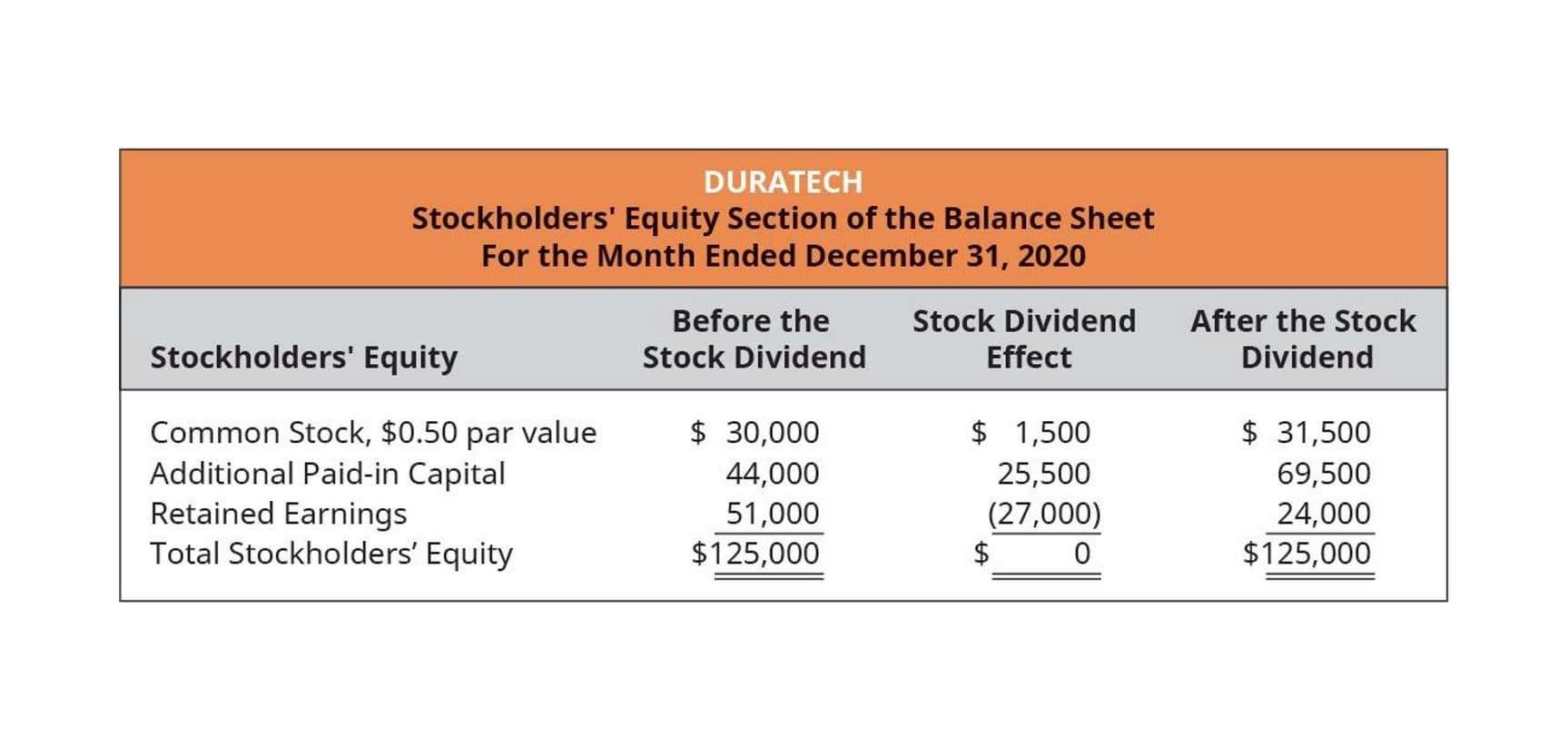
This second example of weighted average shares outstanding calculation considers the cases when shares are issued and stock dividends are given during the year. Similarly, if it uses the financial statements of one or more proir periods for comparison purpose, the shares for those periods must also be restated in the same way. The weighted average of shares outstanding is calculated based on the volumes of various share sales and purchases over a period of time. The weighted average shares outstanding, or the weighted average of outstanding shares, takes into consideration any changes in the number of outstanding shares over a specific reporting period.